References

References

DB Lightgate in Use

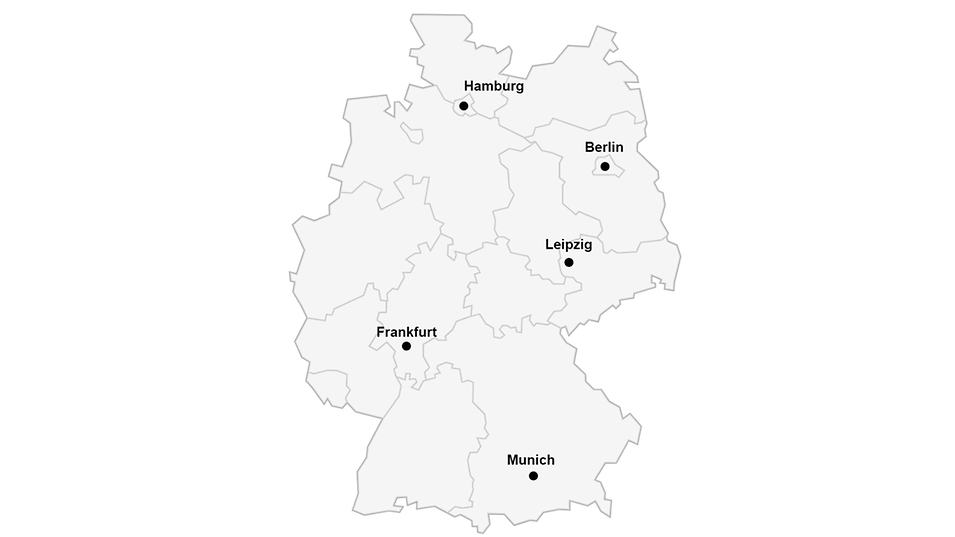
DB Lightgate is used in both local and long-distance transport by customers throughout Germany. In collaboration with transport and infrastructure companies, we develop tailored solutions. Our innovative system is used for a variety of purposes, including passenger flow management on platforms, operational optimization, and providing data for research and development projects.
References

How S-Bahn Hamburg Benefits from Real-Time Data.

In the following video, S-Bahn Hamburg reports first-hand on how they successfully use DB Lightgate real-time occupancy data in day-to-day operations—for better passenger guidance, greater efficiency, and more satisfied travelers.

End of the video above

S-Bahn Berlin GmbH

S-Bahn Berlin uses DB Lightgate as part of the SAFIRA project of the Verkehrsverbund Berlin-Brandenburg (VBB) at ten stations on the Berlin Stadtbahn and Ringbahn.
Tom Hartung, Head of Passenger Information, explains how DB Lightgate contributes to the project:

“In the SAFIRA project, we are working with VBB to provide travelers in Berlin and Brandenburg with occupancy information for their connections. At our high-frequency stations, we rely on DB Lightgate for this. The sensors were installed quickly, and we are now gaining valuable data used in the project together with our public transport authority. Additionally, we display the occupancy of our S-Bahn trains on the onboard information screens. This way, our passengers are already benefiting from real-time data today.”


DB InfraGO AG

At Leipzig Central Station, DB InfraGO will use the illuminated platform edge for passenger guidance as part of a project. The illuminated platform edge will be supplied with data from DB Lightgate sensors installed in the approach to the central station.

DB Regio AG - S-Bahn München

The Munich S-Bahn already uses the DB Lightgate system at several busy stations and, in cooperation with DB InfraGO, will equip additional stations to provide passengers with up-to-date information on capacity occupancy. The sensors installed across large parts of the S-Bahn network continuously record passenger numbers and provide valuable real-time data that is used both for traffic planning and to display carriage occupancy on the information screens at stations. This allows passengers to benefit directly from better orientation on the platform. In addition, the system is designed to speed up passenger changes and thus reduce delays.

Partner